|
Windsor Democratic Club
meets the 3rd Tuesday of the month
at Round Table Pizza Windsor
6:30-8:30 PM
This month’s meeting will be on Tuesday, September 15th at 6:30-8:30pm at Round Table Pizza, Windsor
PIZZA WILL ALWAYS BE PROVIDED BY THE CLUB! HOWEVER, DONATIONS ARE HEAVILY ENCOURAGED!!
|
|
Quotes about the importance of volunteer work:
““Everybody can be great. Because anybody can serve. You don’t have to have a college degree to serve.” – MLK Jr.
““Volunteering doesn’t change the world overnight, but it changes one life at a time.” ” – Sophia Laurent
“Volunteers do not necessarily have the time; they just have the heart.” – Elizabeth Andrew
Even if it is just 30 minutes of your time…anything helps
|
WINDSOR DEM CLUB CALLS TO ACTION: CANVASSING FOR UPCOMING GENERAL ELECTION- FOR MELANIE BAGBY SPECIFICALLY BY WINDSOR DEMS
THIS WEEKEND: SATURDAY, SEPTEMBER 5TH
TIME: 9AM, MEET AT BURTONZ IN WINDSOR
WHO? DEDICATED VOLUNTEERS WILLING TO LEARN AND CANVAS WITH THE WINDSOR DEM CLUB!
MATERIALS: WINDSOR DOOR HANGERS FROM SONOMA COUNTY DEM PARTY TO DROP OFF FOR MELANIE BAGBY (DISTRICT 4 SUPERVISOR CANDIDATE)
IF WE ALL WORK TOGETHER, WE CAN ACHIEVE A FUTURE THAT WILL BENEFIT EVERYONE AS WE LOOK TOWARDS THE FUTURE OF SONOMA COUNTY!!
|
|
|
If you are scared/unsure of how to canvass… that is completely normal!
You may find this event helpful!
DOORSTEP DEMOCRACY
SATURDAY, SEPTEMBER 19th
9AM-5PM (Lunch provided!!)
Location: Plumbers Hall, 3473 Santa Rosa Ave. Santa, Rosa CA
Learn how to knock on doors, talk to your neighbors about issues you care about, and build up your skills/confidence in the time leading up to canvassing for the General Election! Then, execute those skills with a partner!
RSVP: HERE
|
|
|
|
|
|
|
CANVASSING FOR MELANIE’S CAMPAIGN: THIS SATURDAY & SUNDAY! GET INVOLVED!
IF YOU PREFER TO VOLUNTEER DIRECTLY WITH MELANIE’S CAMPAIGN, THERE IS ALSO A WINDSOR CANVASSING EVENT THIS SATURDAY SEP 5TH & SUNDAY SEP 6TH!
WHEN
SATURDAY SEPTEMBER 5TH & SUNDAY SEPTEMBER 6TH
WHERE: MEET AT 10AM AT GREY SQUIRREL MANOR ON THE TOWN GREEN
PLEASE BRING WALKING SHOES, WATER, AND A HAT!
RSVP HERE AND MORE INFO at https://www.melaniebagby.com/events
|
|
|
ANOTHER UPCOMING CAMPAIGN EVENT: BBQ WITH BAGBY
WHEN: SUNDAY, SEPTEMBER 20TH
TIME: 11:00AM-1:00PM
“Come enjoy some good old fashion backyard BBQ at the lovely home of Mike and Cathy Hooper. We will be grilling up some goodies, drinking some delicious beverages, and having lunch together. For you 49er fans, the event is over by 1pm so there is plenty of time to get ready for game day.”
We will also be walking in Windsor that day on our canvass. So please consider coming out to join us!
PLEASE RSVP: HERE
|
|
|
VISIBILITY BRIDAGE IS BACK!! AT A NEW LOCATION!
WE’RE BACK! AND DEMOCRACY NEEDS YOU ON THE OVERPASS!
NEW LOCATION: Rohnert Park Expressway Overpass. Meet in the Park-and-Ride parking lot on the East side of 101. The entrance is right next to the northbound 101 onramp.
You too can help re-shape narratives, offer encouragement and hope, provid social proof of our movements, and build power, one honk, wave AND VOTE at a time!
SIGN UP for a 1 and a half hour afternoon shift: HERE
|
|
|
LOCAL PROTESTS TO BE AWARE OF BELOW:
PROTESTS EVERY SATURDAY 11AM-1PM, NEW LOCATION!! Corner of Guerneville Rd. and Range Ave. in front of Whole Foods
|
|
|
PROTEST EVERY SUNDAY 11AM-1PM!
STOP ICE KILLINGS! END TRUMP CORRUPTION!
Where: Bicentennial Way & Mendocino Ave Santa Rosa, CA
Join the resistance!
PLEASE RSVP: HERE!
|
|
|
|
|
FUN EVENTS TO GET INVOLVED IN THE COMMUNITY:
2026 LABELRAMA, BY THE SONOMA COUNTY DEMOCRATIC PARTY
We’re back in action…IT’S LABELRAMA TIME!
“We have Door Hangers to get out on voters’ doors and Post Cards to mail. But, before they go out, we need help from our volunteers to put our Endorsement labels on them. Local voters will get these important information pieces at their doors or in their mailboxes.”
NEXT LABELRAMA: WEDNESDAY SEPTEMBER 9TH, SHIFTS FROM 11-1PM & 1-3PM
DATES & TIMES VARY SO BE SURE TO CHECK OUT THE SIGN-UP LINK:
ATTACHED HERE
Sustaining Hope: Coping With Activist Burnout
Saturday September 19th, 3PM-5PM (IN PERSON)
Where: Glaser Center, Unitarian Universalist Church (547 Mendocino Ave, Santa Rosa, CA)
RSVP: HERE
|
|
|
PHONE BANKS FOR GENERAL ELECTION 2026: BY SONOMA COUNTY DEMS
SIGNUPS ONGOING ALL MONTH
I highly encourage getting involved in this if you are able since it is very casual and low stress! It can help to make you feel more comfortable with speaking with voters & this election is very crucial!
Let’s help remind people that their vote matters!
RSVP ATTACHED HERE
SONOMA DEMS/CADEM DAY OF ACTION 2026: SATURDAY SEPTEMBER 5TH
Time: 9:30am-3pm
Where: Democratic Party Headquarters, 448 Sebastopol Ave Santa Rosa, CA
“The campaign season is about ready to begin in earnest and we are getting an early start. We have incredibly important elections to win in Sonoma County – from Congressional Districts (remember Prop 50 changed them all around) to Sonoma County Supervisor (2 races) to local City Council and School Board seats.”
“We’re working with our California Democratic Party team for a statewide DAY OF ACTION on Saturday, Sept 5th. Choose your option to volunteer (walk, talk, or count and bundle) from the slots below and get involved now. If you are new to campaigning, we’ll train you and set you up for success. Bring a friend for more fun and camaraderie.”
More info & Sign Up: Here
|
|
|
|
|
|
|
|
|
100, 200, and 300 Trainings could all be good tools to use!
VISIT COMMON POWER WEBSITE FOR MORE TRAININGS AND INFO ABOUT CRITICAL CANDIDATES COMMON POWER WANT TO PUSH TO THE FINISH LINE!.
|
|
UPCOMING CA DISTRICT 22 FUNDRAISER!!
TUESDAY SEPTEMBER 8TH! 5:30-6:30PM
WITH DOLORES HUERTA & JANE FONDA
Jane Fonda and Dolores Huerta will be the special guests of Central Valley Matters (CVM) during their fall online extravaganza/fundraiser on September 8 at 5:30-6:30 pm. This is your chance to learn about the people of the Central Valley and how CVM-vetted non-profit grassroots groups are agents of change in CA-22. These non-profits have persistent boots on the ground to canvass and integrate voter registration with issue-based education in ways outside canvassers cannot. They can, for example, reach numerous, remote Spanish-speaking communities — communities that are practically unreachable by out-of-district volunteer canvassers.
FOR MORE INFO & TO SIGN UP: VISIT HERE
|
|
|
UPCOMING: GET OUT THE VOTE ACTIVIST FAIR
TUESDAY, SEPTEMBER 15TH
5:30PM- 7PM
WHERE: PAUL MAHDER GALLERY, 222 HEALDSBURG AVE, HEALDSBURG CA
You have asked us what you can do to help. Here is the answer. Meet local candidates and organizations committed to preserving our democracy and find out how you can get involved.
Hear directly from – Melanie Bagby – District 4 Sonoma County Supervisor candidate – Damon Connolly – District 2 CA State Senator candidate – Chris Herrod – Healdsburg mayor and city council District 4 candidate – Scott Pratt – Healdsburg city council District 2 candidate
Please RSVP if you plan to attend!
|
|
|
As we head into Election season once again.. keep in mind what/who you stand for and continue to fight! Spread love!
|
|
|
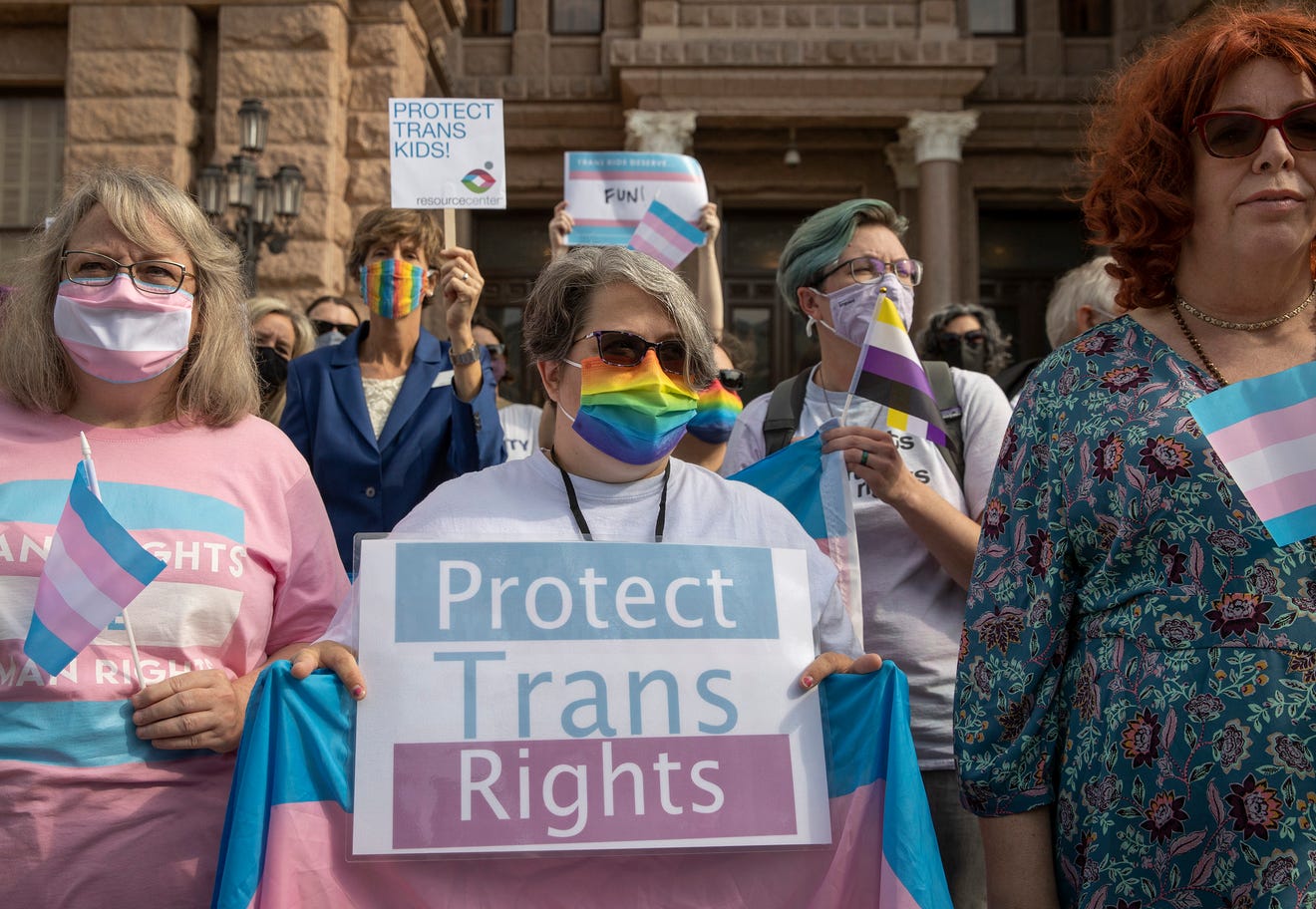
STAND WITH AND SUPPORT THE TRANS COMMUNITY!
Protect their rights just like you would your own! Protect the Trans community as a whole and PROTECT TRANS KIDS!
|
|
|
We need to help foster a society that is inclusive of ALL citizens.
|
|
BE SURE TO SHOW SUPPORT WHILE WOMEN’S RIGHTS ARE UNDER ATTACK FROM THE TRUMP ADMINISTRATION
|
|
|
|
SONOMA COUNTY TRANSPORTATION & CLIMATE AUTHORITIES (SCTCA) invites you to take their survey on how to shape community funding in the future.
DECIDE HOW $118M GETS SPENT ON SONOMA COUNTY ROADS
SURVEY LINK: HERE
|
|
|
|
|
|
Mobilize Calendar
Find an event near you!
|
|
ICE OUT! NO KINGS!
No Trump, no KKK, no fascist USA.”
— All Thinking People of Conscience Everywhere
|
|
AN EXAMPLE OF OUR POWER IF WE ALL COME TOGETHER:
REUTERS: LATINO VOTER BACKLASH PUTS TEXAS GOVERNOR’S RACE ON DEMOCRATS’ MIDTERM MAP
Gina Hinojosa, a Democratic state representative and Democratic nominee for Texas Governor, is trying to end electoral drought that has defined Texas politics for a generation: no Democrat has won statewide office in Texas since 1994.
“Her strategy hinges on persuading Latino voters like Macias that rising costs and strained public schools matter more than the cultural and immigration issues that have pulled many Latino voters toward Republicans in recent years.”
|
|
|
|
HOW TO HELP ON A LOCAL LEVEL:
1. Continue to reach out to congressional representatives to hold the line and not fund DHS!! Volunteer for phone banks, to be a poll worker, or create postcards to send to voters!
2. Support and volunteer/canvas for local candidates that will protect democratic principles and help us TAKE BACK THE HOUSE!
3. Volunteer for and donate to local causes such as the Sonoma County Secure Families Collaborative & Corazon Healdsburg!
|
|
|
|
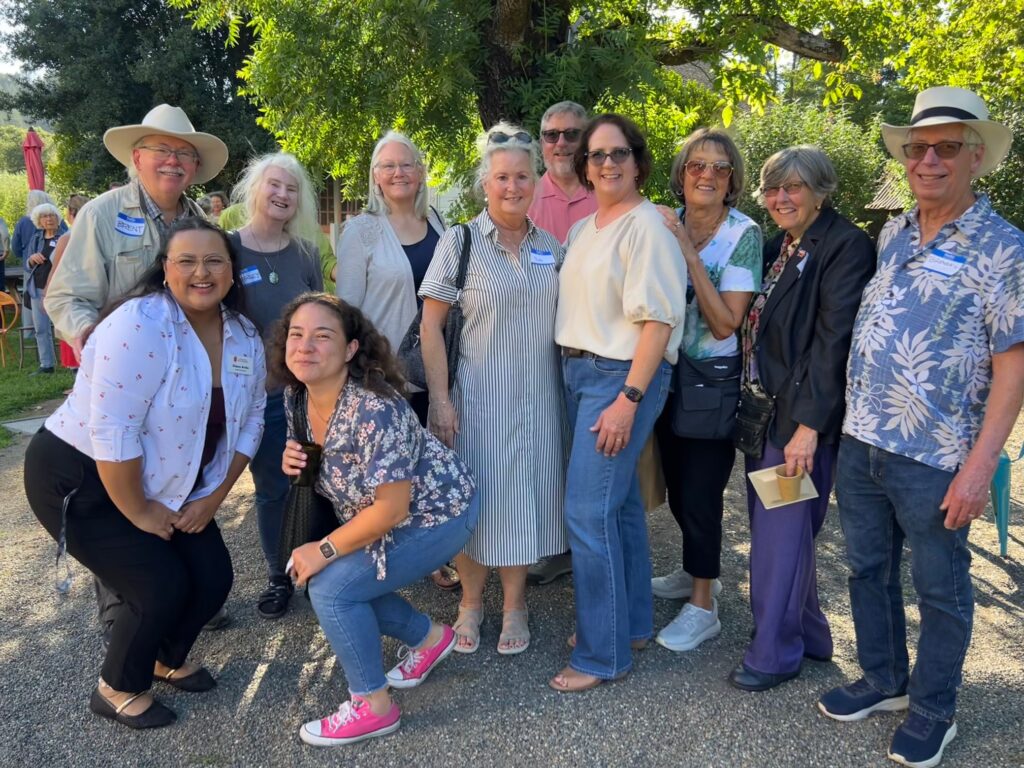
2026 Board Members
|
|
|
|
Rick Massell, President
Cathy Meylor-Hooper, Vice President
Shirley Johnston, Secretary
Brent Anderson, Graphics Director
Warren Schrader, Treasurer
Dan Schmitt, Program Director
Kayla Oseguera, Communications
Diana Avila. Membership & Outreach, Finance
Visit our website: Windsor Democratic Club
|
|
This e-mail has been sent to @, click here to unsubscribe.
|
|
|